
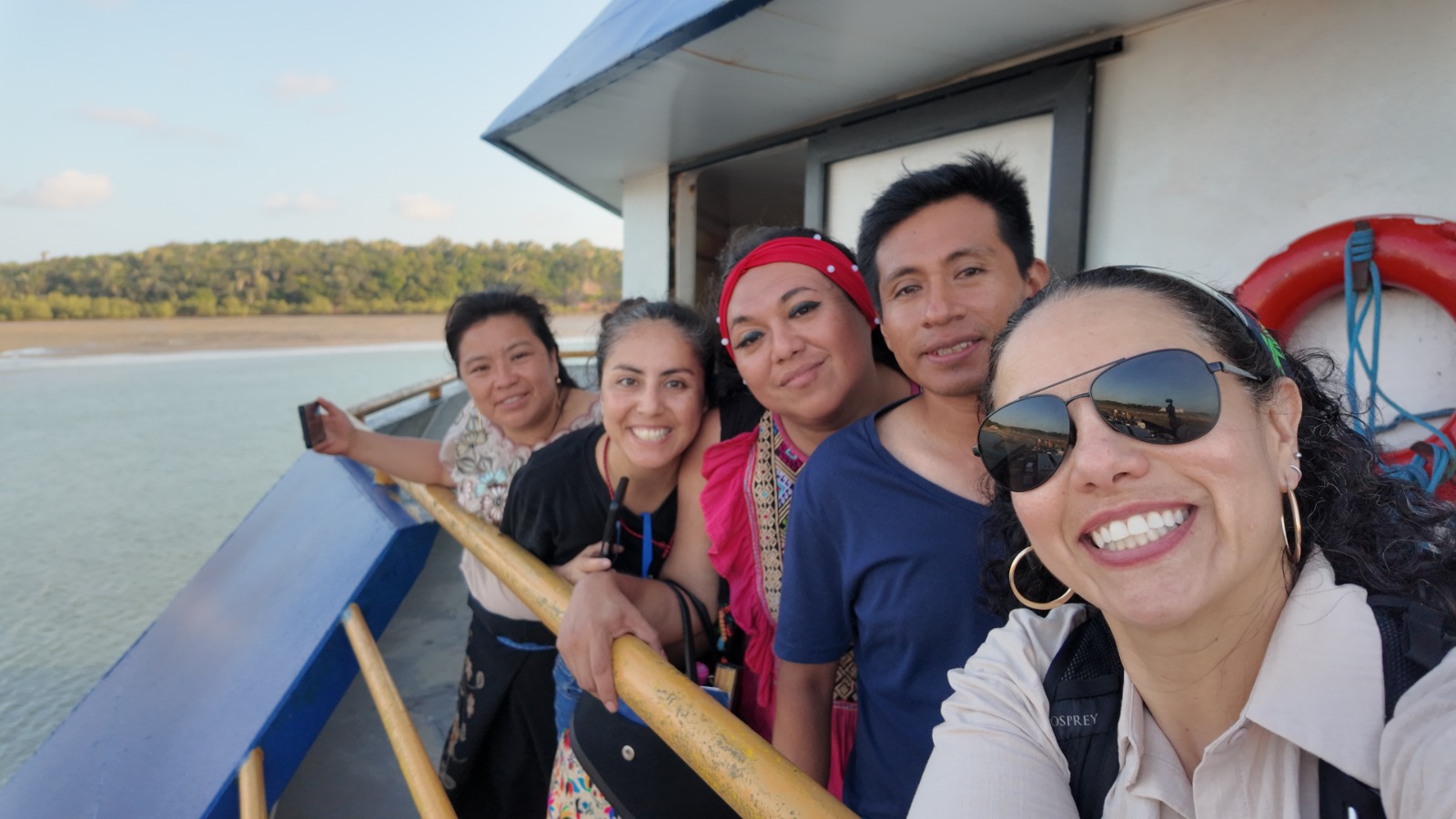
Global Fellows in Southern Africa Combat Gender-Based Violence and Femicide
By Thembinkosi Semwayo, Global Fellow and Southern Africa liaison
One of the troubling impacts of the forced lockdown during the COVID-19 pandemic was the unbelievably high incidence of gender-based violence (GBV) and femicide that surfaced across many countries in Southern Africa. For context, more than 35% of South African women have reported experiencing physical or sexual violence in their lifetime.
Feeling called to step up and develop feasible interventions to address these unacceptable acts of violence, Global Fellows in Southern Africa, led by Mary Hlalele, connected via Zoom every Friday to exchange ideas, lessons and best practices to tackle this scourge that has gripped the region. Fellows who initially responded to the call included Hlalele (Lesotho), Mamoeketsi Ntho (Lesotho), Collins Chipendo (Malawi), Victor Mangani (Zimbabwe), Lulama Ntozini (South Africa) and Tatenda Jibes (Zimbabwe). As the GFN liaison for Southern Africa, I helped the group develop GBV Eradication Online, a repository of resources and actionable solutions.
In Lesotho, however, Hlalale has sustained the efforts to address GBV and femicide by forging collaboration with the International Grail to support the Lapeng Care Centre, a home for girls and young women who have been sexually violated. During their stay at the shelter, residents receive counseling while systems are put in place to remove their perpetrators from society. Other support includes self-esteem and leadership workshops to the women and girls and an effort to integrate the girls at the shelter with their peers from an adjoining suburb. In this way, the young girls do not feel isolated for prolonged periods of time from society and become part of conscious efforts at advocating against GBV with a view to impacting social change for healthy communities that are free from violations related to GBV.
Hlalele and the International Grail movement have remained united in their voice for a call to end all acts of violence against women and children. They have forged strategic connections with like-minded professionals and institutions. To this end, they have facilitated the participation of the girls in the annual commemorations of the International Day of the Girl Child. Subsequently, the girls have been able to participate virtually in the annual United Nations Commission on the Status of Women (UN-CSW) sessions. One of the girls had the honorable opportunity to make a presentation in a UN-CSW session two years ago.
With such violence already showing signs of worsening as a result of anti-immigrant sentiments, political rhetoric and the resultant mass deportations of men from South Africa to the Southern African inland regions, calls by Ntho and Ntozini to urgently re-examine strategies to address gender-based violence and femicide have been reawakened.
Reflections from Brazil’s Cazumbada 2026
By Carmen Villa, Global Fellow and Latin America and Caribbean liaison
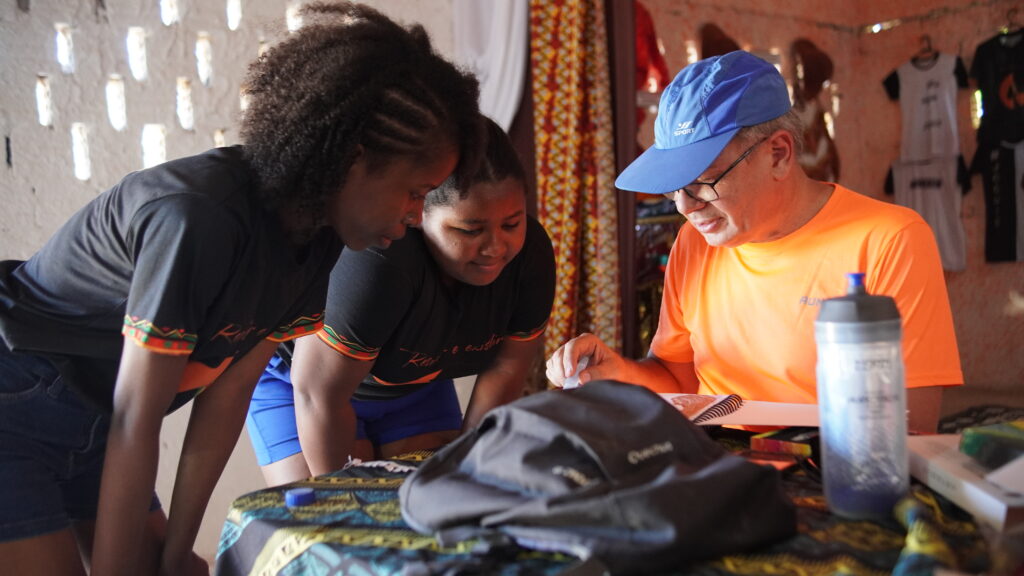
In October 2026, 10 Global Fellows from Mexico, Brazil and the United States gathered in São Luís, Maranhão, in northeastern Brazil to participate in Cazumbada 2026, an immersive experience rooted in community, culture and collective transformation.
Created in 2021 and inspired by Cazumbá, an enchanted figure from Maranhão’s popular traditions, Cazumbada is more than a gathering. It is a living expression of abundance, friendship, belonging and celebration — a community philanthropy experience that transforms human connections into opportunities for local development. Cazumbada is organized by Maria Regina Martins Cabral, a Global Fellow and director of the Instituto Formação, who has been working with the event co-host Instituto Baixada since 2009.
Taking place across communities in the Baixada Maranhense, a region rich in cultural heritage, natural resources and histories of resistance. Cazumbada invites participants to experience development through the voices, knowledge and everyday practices of local communities.
“We want our partners to dive into the Baixada Maranhense and get to know us and the people who live the routine of this territory. It is important to know life as it is, and lives become even stronger with these meetings and partnerships,” said Cabral in an interview following Cazumbada 2024.
For the fourth year in a row, Global Fellows participated in Cazumbada’s annual gathering. Once again, the experience revealed something difficult to capture in words: how people from distant territories, speaking different languages and carrying different histories, can discover profound connections through shared experiences of resistance, healing and hope.
Beginning with personal connection
During an opening gathering, fellows were invited to introduce themselves through cards featuring words in Spanish, Portuguese, English and Mapudungun, the language of the native Mapuche people. Words such as river, bird, flower and fire became invitations for fellows and peers to share personal stories: the communities that shaped them, the experiences that liberated them, the struggles that strengthened them and the purpose that guides their leadership.
These conversations prepared the group for four days of immersive learning alongside communities in the Baixada Maranhense. Through visits to the Quilombola communities — established by formerly enslaved Black and Indigenous people — in Curral da Igreja and Carangueijo, and the Buritirana Agroecological Park, fellows encountered powerful expressions of ancestral resistance, collective care and cultural resilience.
Residents shared food, music, traditional clothing, storytelling and community practices to demonstrate how their territories preserve memory, nurture belonging and create pathways for collective healing. The experience offered a reminder that meaningful development begins by recognizing the wisdom, leadership and strength already present within communities.
Closing with new and stronger relationships
Back in São Luís, fellows gathered once more to reflect on what they had experienced. This time, they chose their own words to express what Cazumbada had awakened in them: Heart, community, gratitude, saudade (longing), gostoso (great), abundance, unity, hope and full.
Each word carried a different meaning, yet together they reflected a shared sense of connection and renewal.
As fellows returned to their communities, they carried more than memories. They brought new relationships, renewed purpose and a deeper understanding that across languages and territories, the practices that sustain communities — care, solidarity, belonging and collective action — can also help them heal and flourish.
“A network like this strengthens the good practices of professionals and institutions. It makes us realize that what we do is very important and that we need to keep doing it,” said Cabral.