
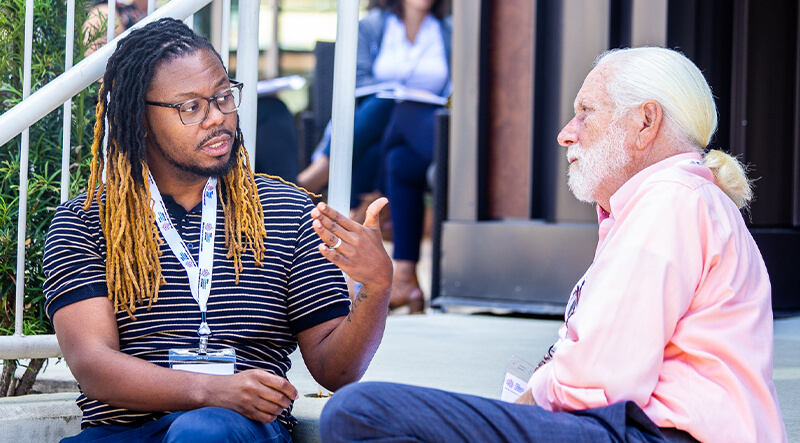
Currently administered in partnership with the Center for Creative Leadership, this is our most recent leadership program in the United States. The program supports local and national leaders seeking to connect, grow and lead transformational change toward a more equitable society. Leaders are selected from the foundation's priority places of Michigan, Mississippi, New Mexico, New Orleans, Tribal nations and in local communities across the United States.
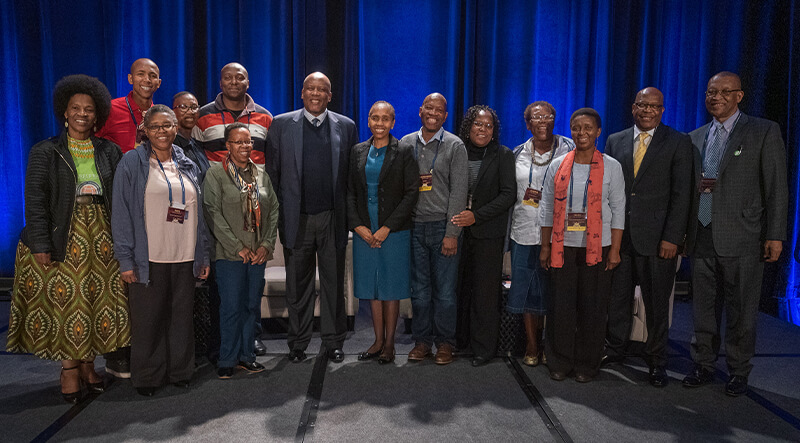
Administered by Academy for Educational Development and then by Family Health International, the program operated in seven countries (Botswana, Lesotho, Malawi, Mozambique, South Africa, Swaziland and Zimbabwe) and promoted values-based, ethical and democratic leadership. It focused on creating a cadre of dynamic leaders across Southern Africa by providing educational financial assistance for graduate and undergraduate programs and leadership development.
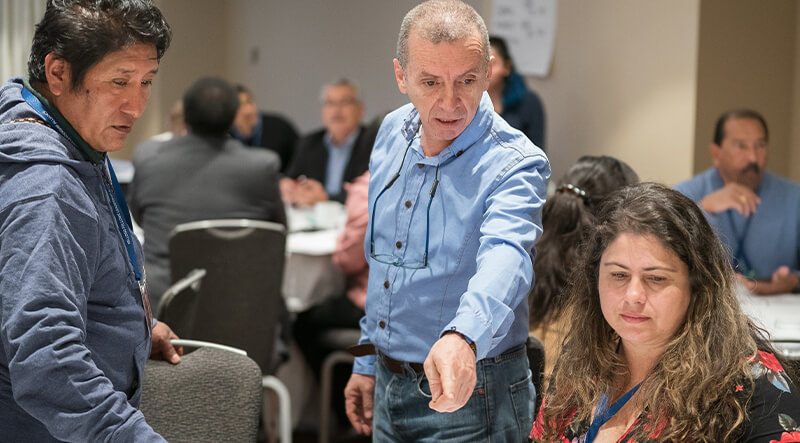
Administered by Harvard-affiliate LASPAU, the program empowered local leaders to address social issues in their respective communities through funding of their educational pursuits. Leaders were from Latin America, including the Chiapas and Yucatán Peninsula areas of Mexico and Central and Southwest Haiti.
Health Fellows and Scholars includes three programs: Community Health Scholars Program (CHSP), Scholars in Health Disparities Program (SHDP) and Kellogg Fellows in Health Policy Research. The two-year fellowship program trained a cadre of leaders skilled in research on the social determinants of health, academic-community partnering, community-based participatory research and the application of research to strengthen advocacy and achieve policy change. In 2006, the programs were combined to create Kellogg Health Scholars Program.
CHSP was established in 1998 and ran until 2007. Administered through the University of Michigan, it trained 46 postdoctoral fellows to work with communities and engage in community-based participatory research.
SHDP was administered by the Center for the Advancement of Health from 2001-2012. The program focused on developing new leaders and training future faculty and policymakers in the effort to reduce and eliminate health disparities.
Kellogg Fellows in Health Policy Research was administered by the Center for the Advancement of Health from 1990-2012. A postdoctoral program, it focused on reducing health disparities and creating partnerships between communities and health education programs.
Number of Participants: 105
Administered directly by WKKF, the program supported two groups of fellows from the United States, Central and South America and Africa on a three-year leadership journey. The focus was on advancing the leadership capacity for human services worldwide.

The Jefferson Institute and the Institute for Agriculture and Trade Policy (IATP) administered three programs: Food and Society Policy Fellowship (FSPF), Food and Policy Fellows (FPF) and Food and Community Fellows (FCF). The programs gathered fellows from the United States with backgrounds in farming, public health, journalism, filmmaking and policy research. Each cohort included up to 12 fellows who participated in a two-year experience to influence local, regional and national policy through strategic communication efforts. The fellowship included media training, experiential learning and seminars that enhanced skills and deepened understanding about food and agriculture policy issues.
FSPF addressed the issues and challenges associated with sustaining family farms and food production in the United States.
FPF focused on the use of mass media channels to inform and shape the public agenda for food and catalyze cultural shifts and policy changes.
FCF focused on food justice issues, strengthening efforts to eliminate food deserts, creating healthy food environments for children and identifying and removing societal factors that create health disadvantages for all children.

Administered directly by WKKF, this program included 16 cohorts of fellows from the United States. It was designed to provide personal and professional growth over a three-year period, expanding leaders' knowledge and capacity through seminars, individual and small-group experiential learning, travel study and mentorship. Commonly known as the National Leadership Program, the program changed names from the Kellogg National Fellowship Program to the Kellogg National Leadership Program.
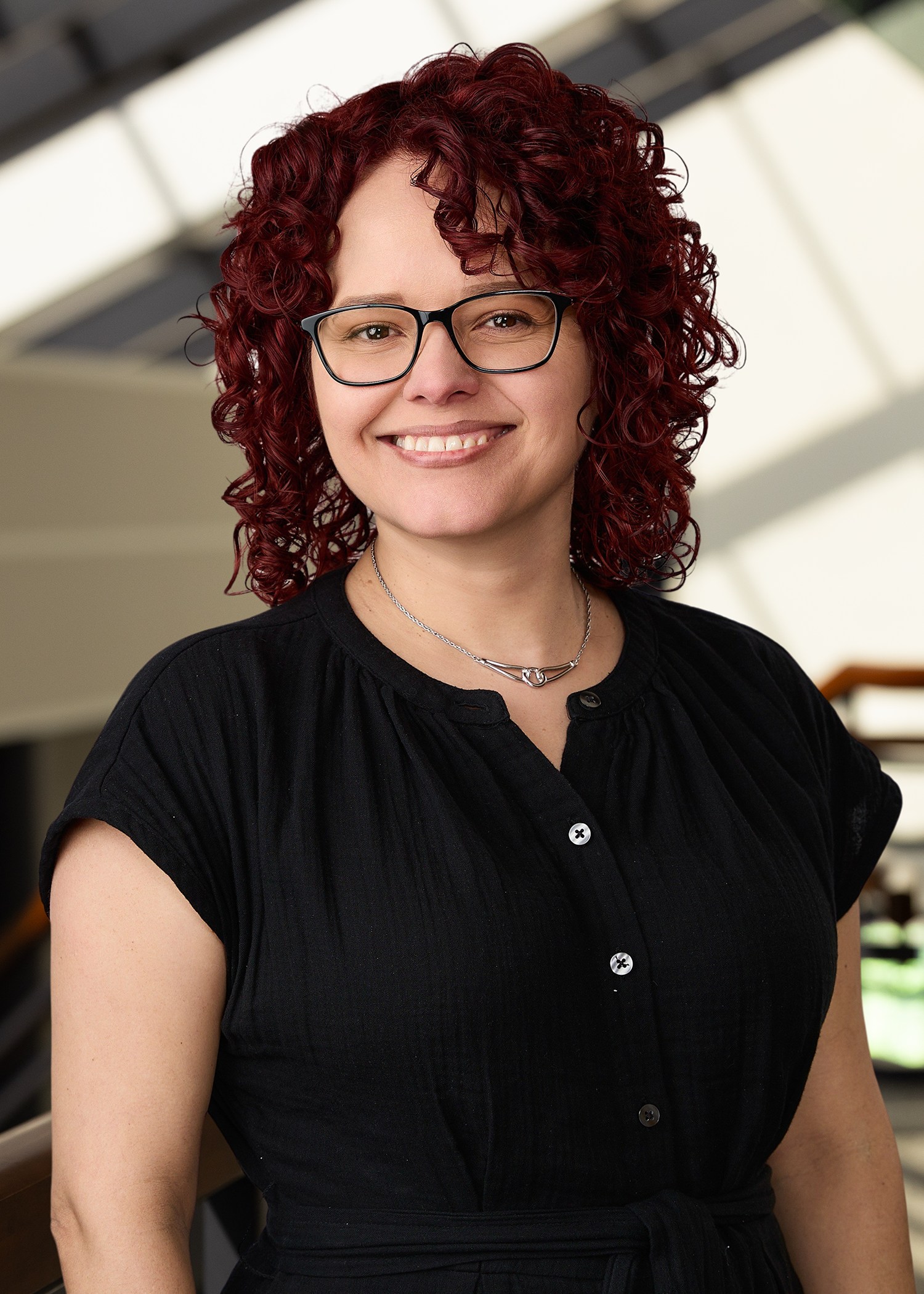
Xiomara
Enriquez
Leadership Programs Officer
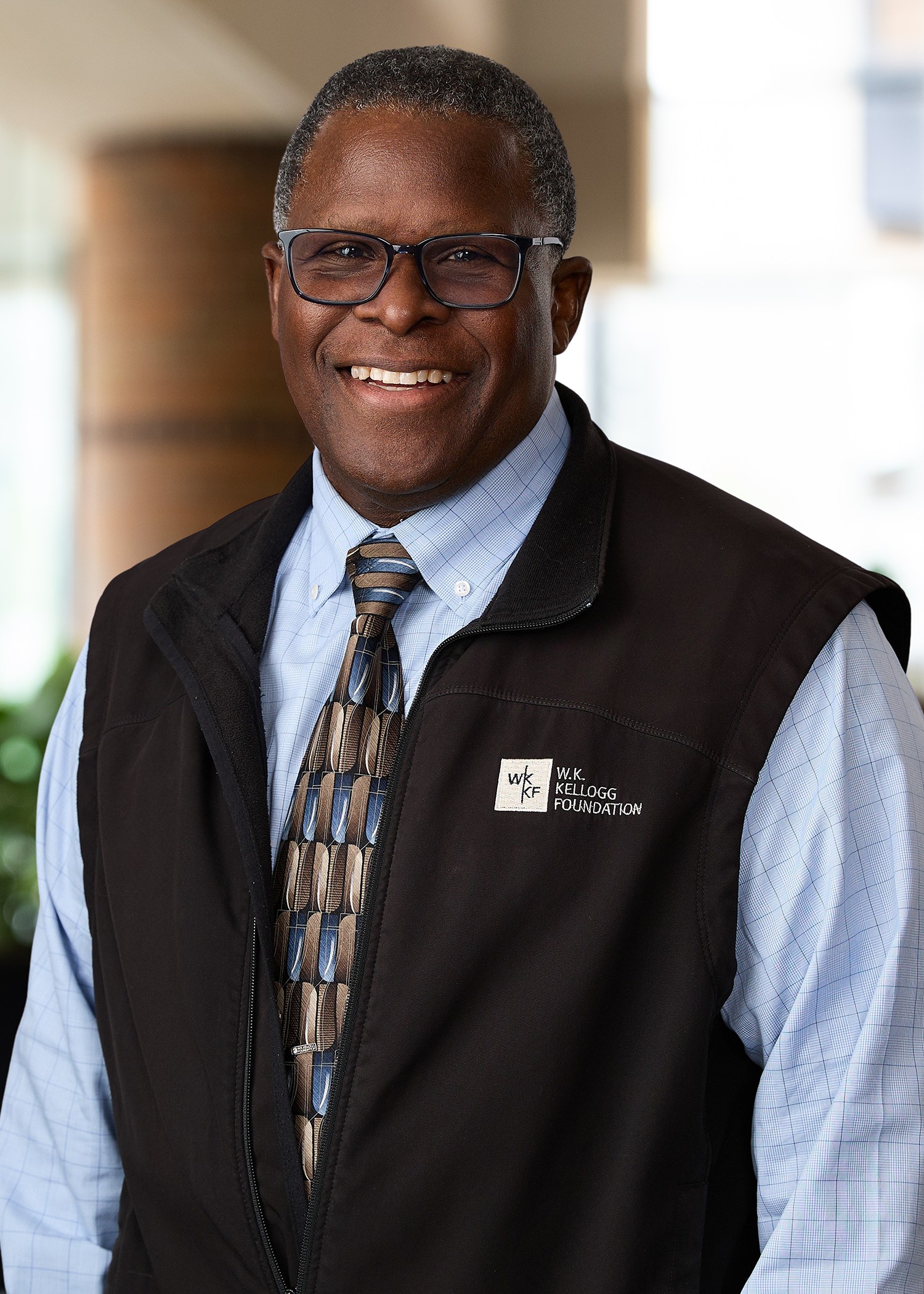
Reggie
LaGrand
director of leadership programs
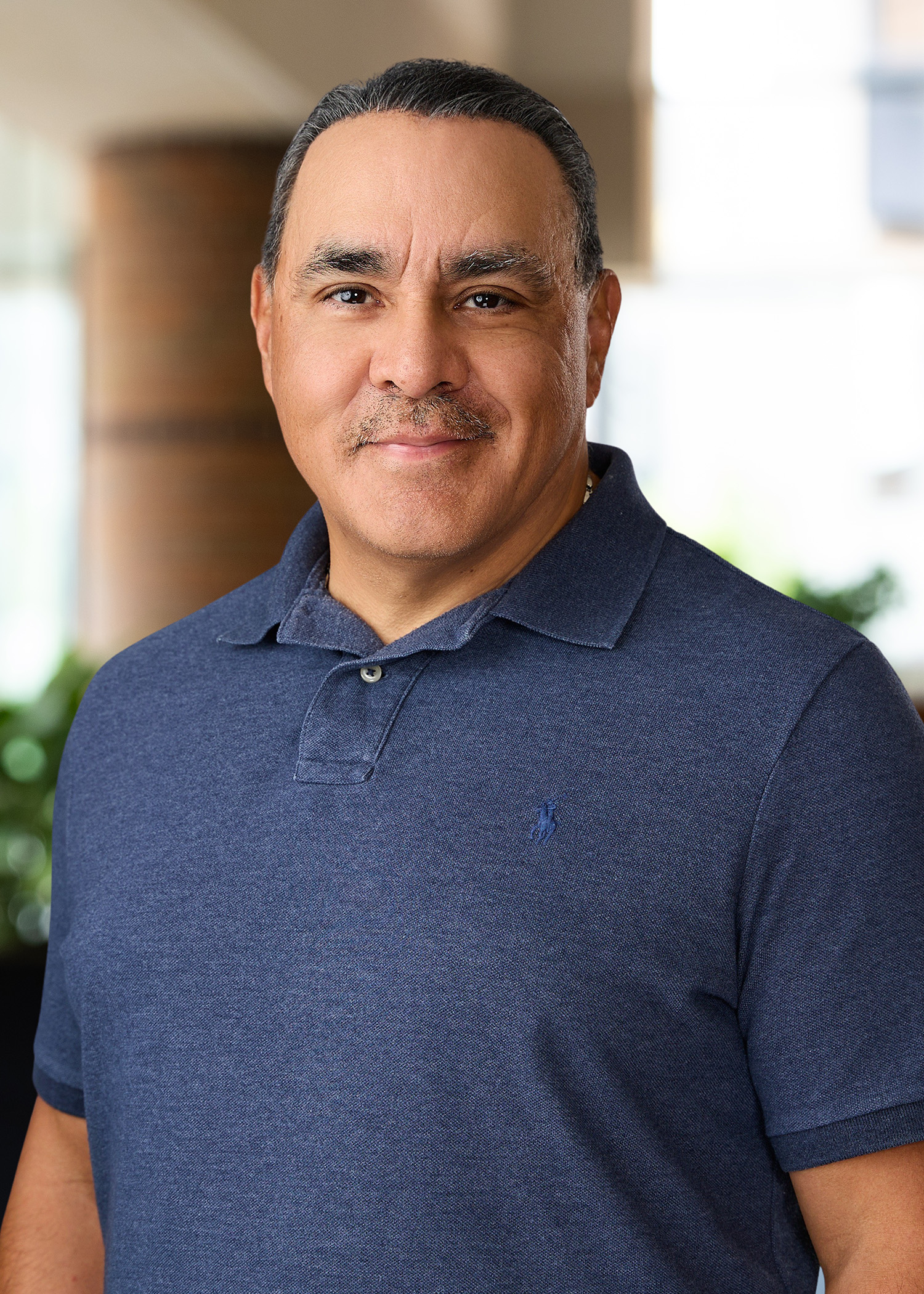
Paul
Martinez
chief leadership and human capital officer
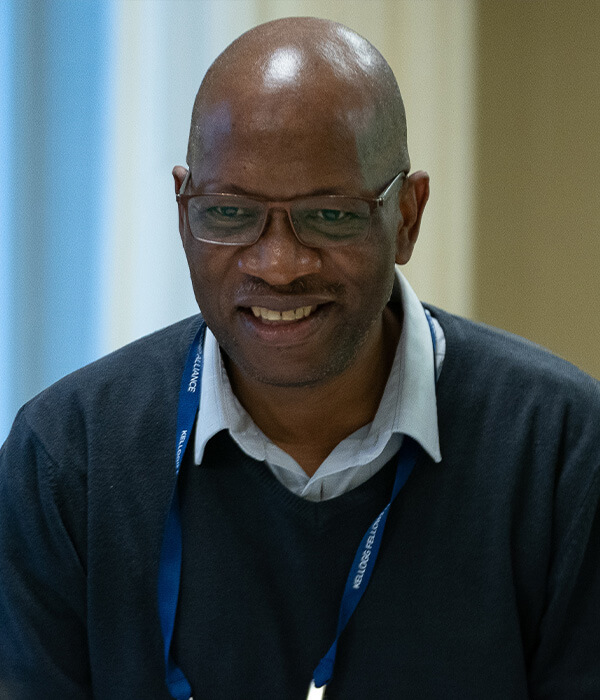
Thembinkosi
Semwayo
Liaison | Southern Africa (KSAL)
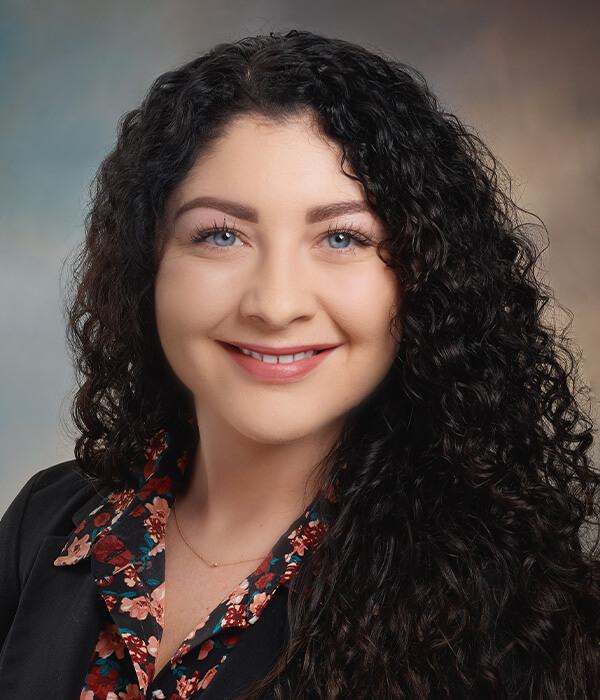
Paige
Turner
Executive Assistant
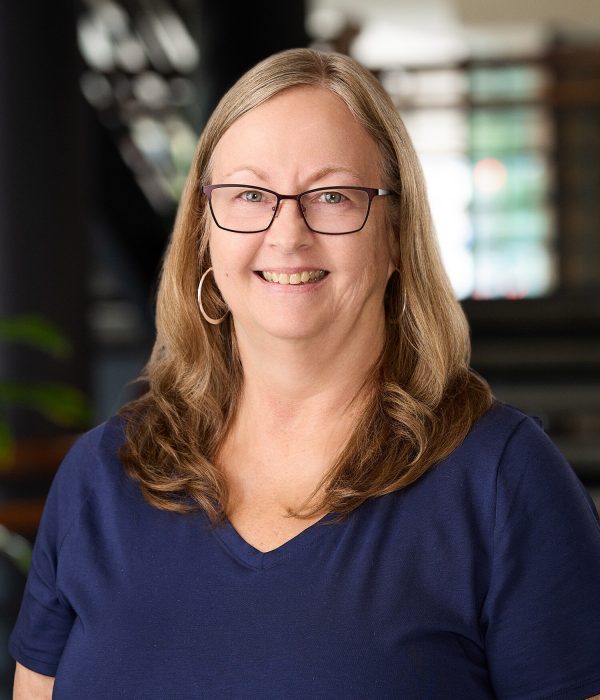
Debbie
Rey
Program Operations Manager
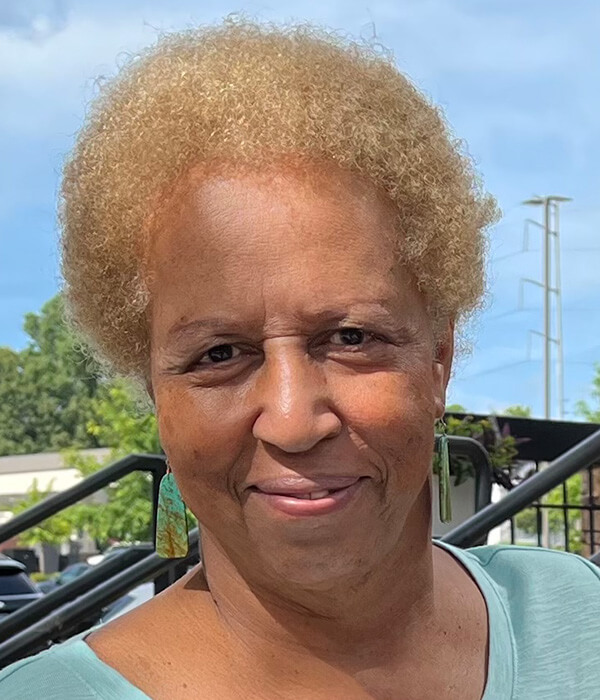
Pat
Turner
Consultant | (KNLP)
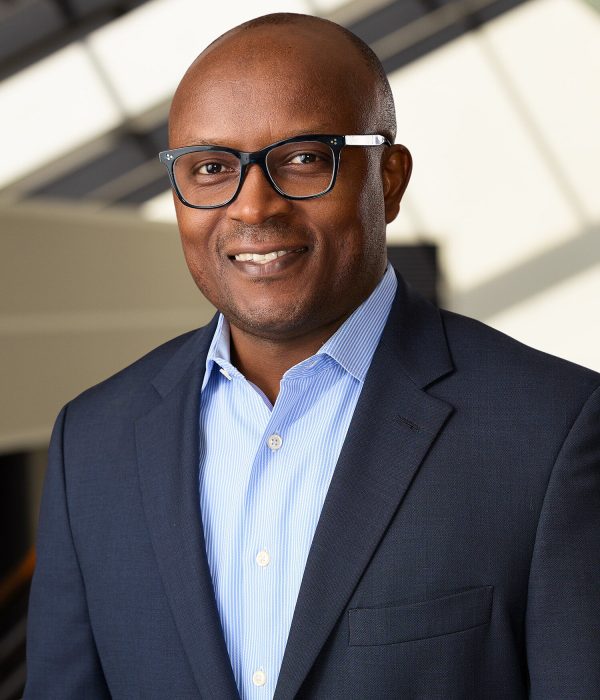
Marcel
Urayeneza
leadership programs manager